In Radio Commander the battlefield is not drawn for you. It is described to you, one transmission at a time, by soldiers who can only see their own corner of it. Reading the battlefield by radio is the central skill of the game: the ability to take scattered voice reports, coordinates and scraps of detail and turn them into a working picture you can act on. This article breaks that skill into its parts.
The picture you build from voice reports
Your map starts almost empty and fills in only as units speak. A squad reports contact, a platoon gives a grid reference, a pilot adds a line about movement on a ridge. None of those messages is a complete picture, and none of them is guaranteed correct, but together they form the only battlefield you will ever have.

Building that picture is an active process. You are not receiving a status update; you are assembling an interpretation and holding it in mind while the situation keeps changing underneath it.
Grid coordinates and bearings
Most reports come with a coordinate on the map. The number tells you where a unit believes it is, which is not the same as where it actually is. A tired soldier under fire can misread a reference, and a commander who treats every coordinate as exact will be caught out.
Bearings matter just as much. A report that says the enemy is to the east only becomes useful once you know how that direction relates to the terrain and to your other units. Cross-referencing a bearing with the map is often more reliable than the coordinate that came with it.
Contour lines and terrain difficulty
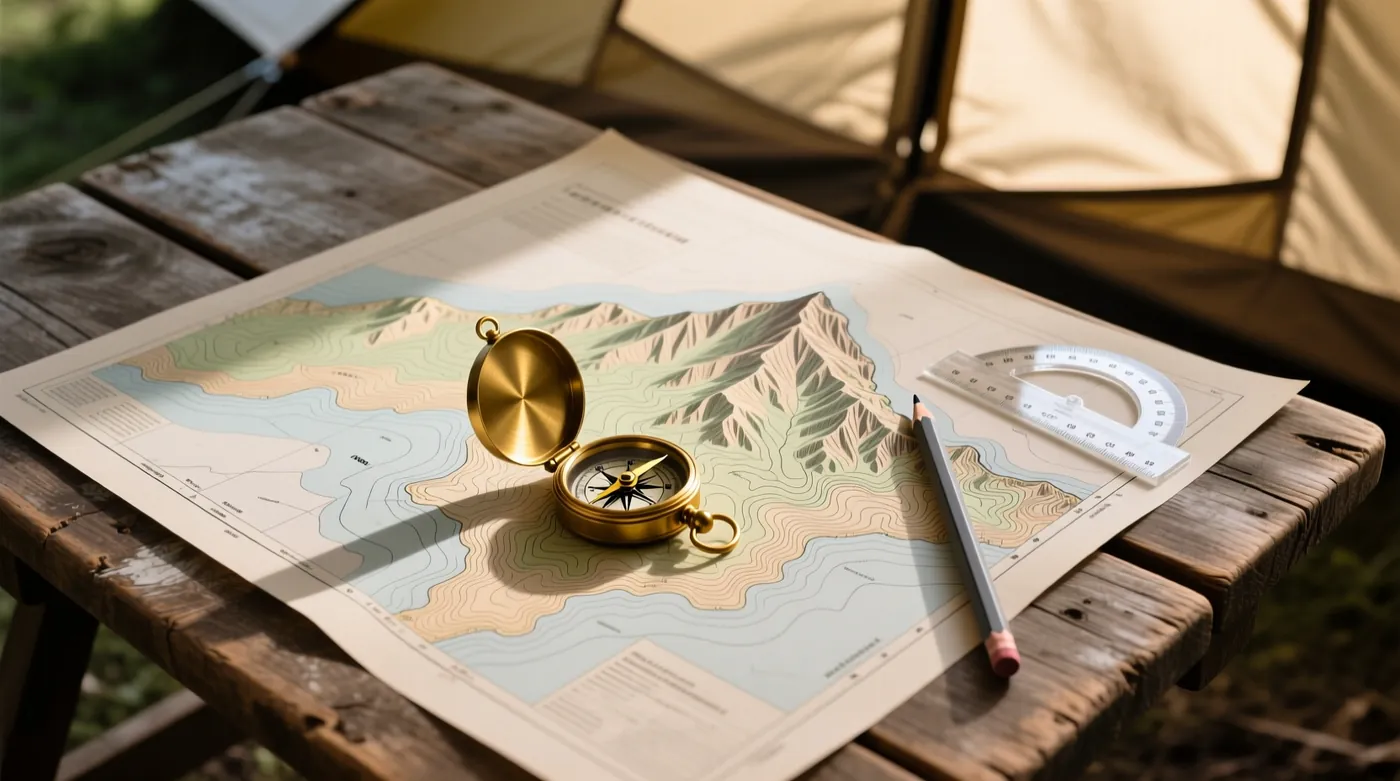
The map is a topographic one, and its contour lines describe the ground as clearly as any report. Close lines mean steep slopes that slow movement and channel attacks; wide spacing means flatter ground that is easier to cross but harder to defend. Reading those lines lets you predict how long an order will take and where a unit is likely to be exposed.
Terrain also governs information, not just movement. Low ground between hills blocks both sight and radio, so a unit that drops into a valley is a unit you may briefly lose. The shape of the land therefore shapes what you know as much as what you can do.
Estimating enemy strength
Enemy numbers almost always arrive as an estimate. A report of roughly a platoon in a treeline is a starting figure and nothing more. Experienced players learn to treat such numbers as a range rather than a count, and to notice whether the estimate grows or shrinks as more units report the same contact.
Consistency across reports is a form of confirmation. When three separate units describe the same enemy position in similar terms, your picture gains weight. When only one unit sees it, that single voice has to carry the whole estimate on its own.
When reports conflict
Conflicting reports are normal, not a malfunction. Two units can describe the same fight differently because they are seeing different things from different ground. The commander's job is not to decide instantly which account is right, but to hold both possibilities open long enough to gather one more piece of evidence.
Acting too early on a single version of events is one of the most common ways a mission goes wrong. Waiting has its own cost, but a decision made from a reconciled picture is usually worth more than a quick reaction to the loudest voice.
Confirming before you commit
Before you commit a unit, a fire mission or an evacuation, you should be able to say what you know, what you are assuming and how bad it would be to be wrong. Where the answer is uncomfortable, a confirmation flight or a fresh report can tighten the picture for a modest price in time.
The instinct to confirm rather than guess is what separates a commander who is merely busy on the radio from one who is actually directing the battle. The traffic is constant either way, but only one of them is building something usable.
Habits of a careful reader
Reading the battlefield well is less about talent than about a handful of disciplined habits applied under pressure. The list below collects the ones that recur across the campaign.
- Keep the last confirmed position of every unit, not the one you would prefer.
- Weight a report by who sent it and how they sounded, not only by content.
- Reconcile conflicts before acting instead of picking the convenient version.
- Check a bearing against the terrain before trusting a coordinate.
- Treat enemy numbers as ranges and watch how they change.
- Spend a little time to confirm when the cost of being wrong is high.
These habits turn a stream of noise into a battlefield you can read, which is exactly the skill the game is built to teach.
Turning raw reports into a usable picture
| Signal | What it may mean | How to check |
|---|---|---|
| Precise coordinate, calm voice | A reliable fix on a unit's position | Cross-check with nearby reports |
| Approximate numbers | An estimate, not a count | Watch how it changes over time |
| Conflicting accounts | Two partial views of one event | Hold both and gather more |
| Long silence from a unit | Lost contact or a blocked valley | Request a fresh report |
| Sudden change of tone | The situation has just shifted | Confirm before you commit |
The battlefield in Radio Commander exists first as voices and coordinates and only then as terrain and action. Read the reports carefully, reconcile them patiently and confirm before you commit, and the invisible field will slowly become a place where you can actually manoeuvre instead of merely guess.