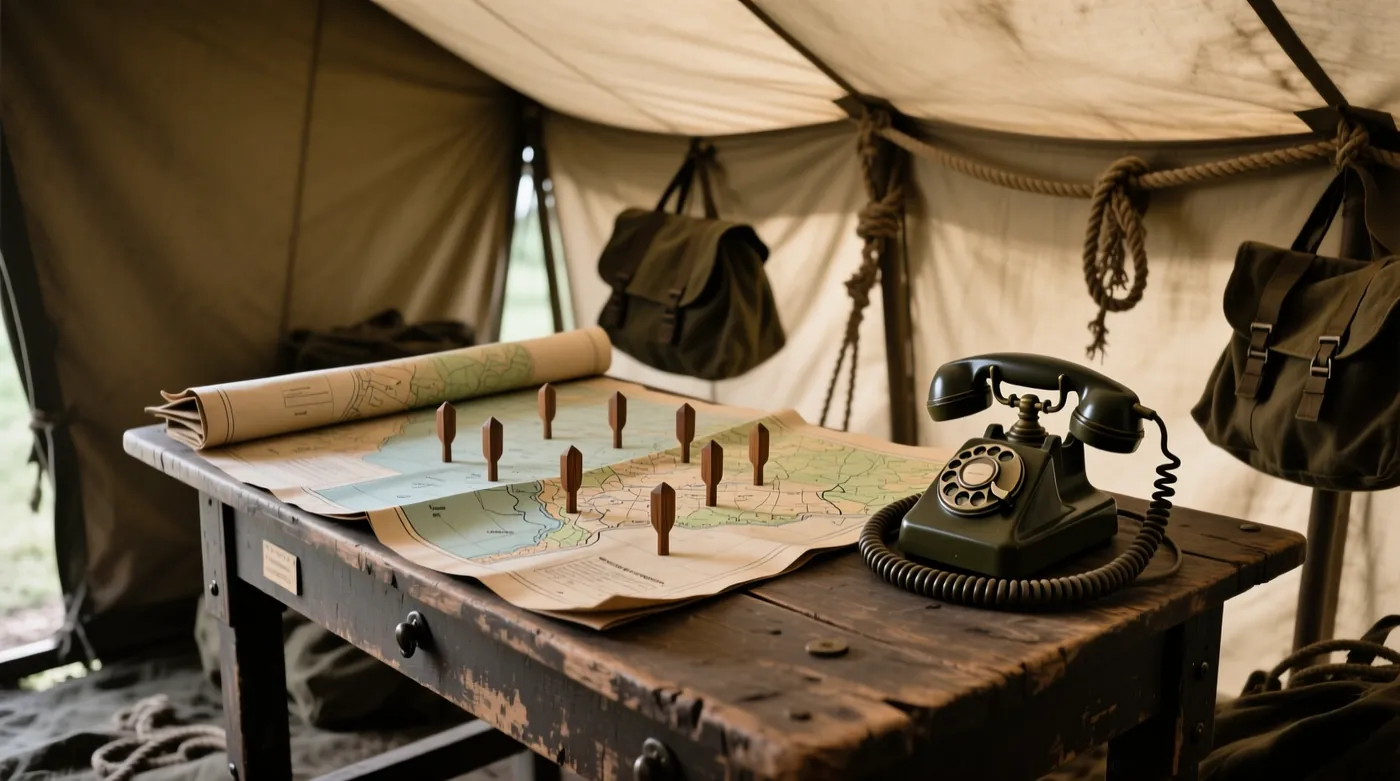
Radio Commander gives you a varied force, but you never see it. Instead you know your units by their callsigns, their reports and the role each one plays on the map. This article walks through the kinds of units you command, how callsigns and the radio log work in practice, and how to read a unit's report well enough to judge what it can and cannot do.
Infantry platoons and squads
Infantry is the backbone of the force. Squads hold ground, clear terrain and make contact with the enemy, and they are usually the units that report first when something goes wrong. Because they move on foot, terrain slows them and cover hides them in equal measure.
A squad's value lies in its flexibility, but a commander has to remember its limits. Ammunition runs down, morale shifts with the fighting, and a platoon that has been in contact for too long becomes a liability if it is asked to press an attack it cannot sustain.
Callsigns and the radio log
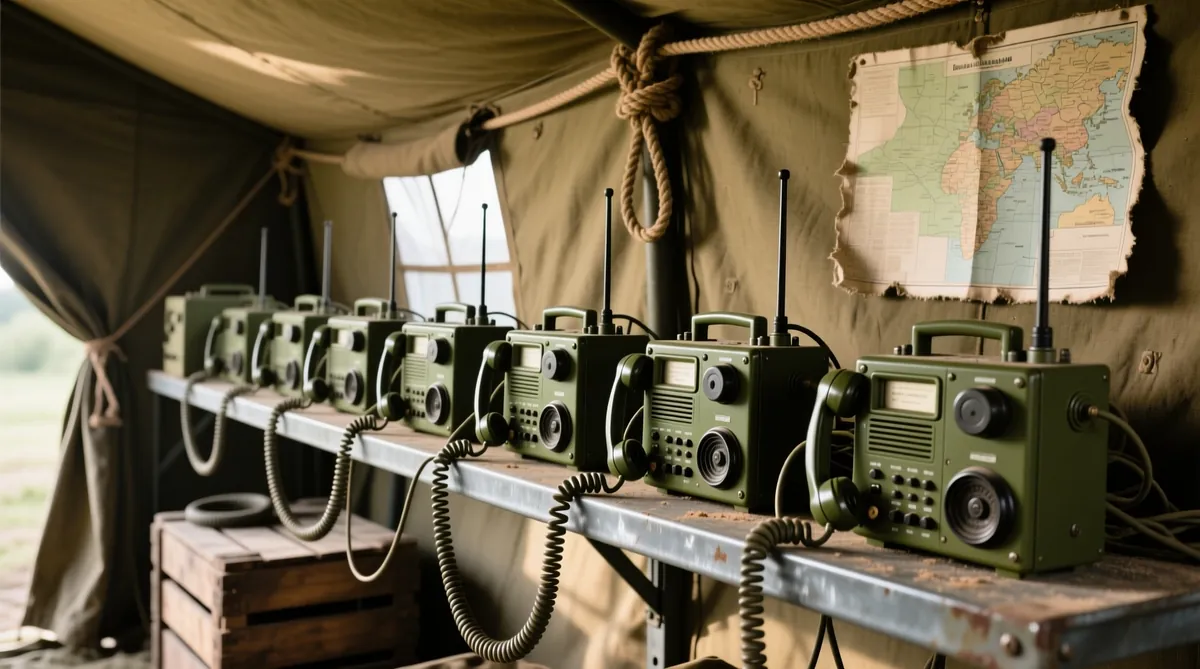
Units in the game carry callsigns rather than names, and that is how you will identify them in every transmission. A report that begins with a callsign tells you who is speaking, and the same callsign recurs across the mission as the unit moves, fights and withdraws.
The radio log is your record of the battle as it was described, not as it happened. Reading it back is a genuine skill: a commander who follows the sequence of calls can spot a contradiction, notice a unit that has gone quiet, or catch the moment a report stops matching the plan.
Air assets in the field
Gunships and reconnaissance aircraft give you reach without putting soldiers on the ground. A gunship can break up an attack or cover a withdrawal, while an observation aircraft can confirm a position that a ground unit reported uncertainly. Both are limited, so both are worth saving for the moment they matter.
Evacuation helicopters are the other half of the air picture. They lift wounded troops and civilians out of the battle space, and a commander who forgets them will find that a small, contained engagement has turned into a human emergency.
Artillery and fire support
Field artillery is the heaviest tool you own and the one that asks for the most discipline. It can be called onto a reported position and change the course of an engagement, but it cannot be recalled once the shells are on their way, and it does not know the difference between a hostile position and anything else inside the target area.
Calls for fire therefore depend on the quality of your information. If the coordinates are stale or the report was confused, the barrage lands somewhere you did not intend. Treating indirect fire as a precise instrument rather than a blunt one is one of the hardest habits to learn.
Armour and transport
Armoured personnel carriers and other vehicles move faster than infantry and can carry troops across ground that would exhaust them. They also announce themselves: a vehicle is louder, easier to spot and a more attractive target than a squad on foot.
Using transport well means thinking about the beginning and the end of the journey. Where troops dismount decides whether they arrive in cover or in the open, and whether the vehicles are still available to pull them out if the situation turns.
Reading a unit report
Every report is a small packet of information: who is speaking, where they are, what they can see and how they sound. A good commander listens for all four. A unit that gives a calm contact report at a precise coordinate is telling you something different from a unit that shouts that it is taking fire from an unknown direction.
Over a campaign you learn each callsign's habits and trust one report over another for reasons you could not have written down in advance. That tacit judgement is a large part of what the game is testing.
Roles at a glance
The force is small enough that every unit has a clear job, and knowing those jobs helps you decide which one to commit when a report comes in. The list below summarises the main roles you will be working with.
- Infantry squads hold ground, clear terrain and make first contact with the enemy.
- Reconnaissance aircraft confirm positions that ground units report uncertainly.
- Gunships provide close support and cover a withdrawal under fire.
- Evacuation helicopters lift wounded troops and civilians out of the battle space.
- Field artillery delivers heavy indirect fire onto a reported target area.
- Armoured carriers move troops quickly but attract attention while they do it.
Each role covers a weakness in another, which is why the order in which you commit them matters as much as the choice itself.
Unit roles and how to use them
| Unit | Best used for | Watch out for |
|---|---|---|
| Infantry squad | Holding ground and clearing cover | Low ammo and falling morale |
| Recon aircraft | Confirming an uncertain report | Limited time over the target |
| Gunship | Breaking up an attack or a pursuit | Committing it too early |
| Evacuation lift | Removing wounded and civilians | An exposed landing zone |
| Field artillery | Heavy fire on a known position | Stale coordinates under the guns |
Your force is only as useful as your understanding of it. Learn what each callsign can do, listen for the limits behind every report, and you will commit the right unit with the right job at the right moment instead of reacting to whatever voice comes over the air next.