Radio Commander is set during the Vietnam War, and that choice is not decoration. The setting shapes how the game plays, what you can see, what you cannot see, and what kind of decisions land in your lap. This article looks at why the conflict suits a game about commanding by radio, how the terrain and the aircraft of the period change the tactics, and why the moral weight of the war is built into the missions rather than tacked onto the ending.
Why the Vietnam War suits radio command
The war is remembered as a conflict of scattered engagements in difficult country, where commanders often understood the situation only through radio traffic. That is exactly the experience a radio-only game wants to recreate. Dense terrain, an elusive enemy and long supply lines produce the fog that the design depends on.
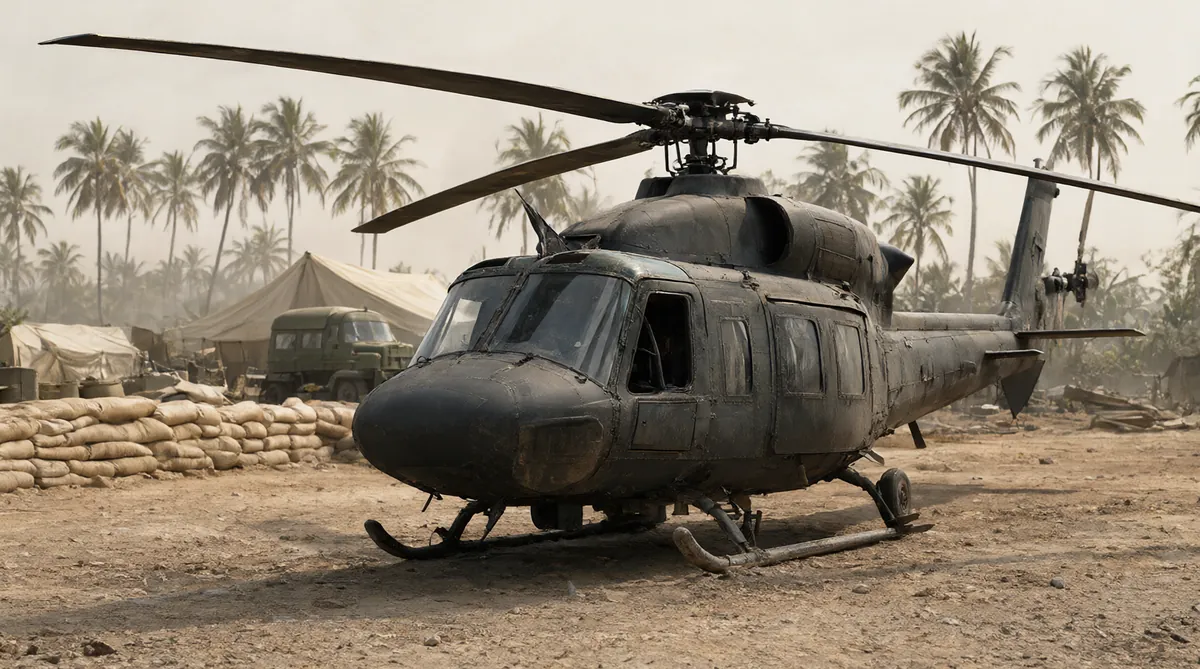
The period also offers the aircraft and equipment that make the game's tactical menu interesting: helicopters for movement and evacuation, gunships for close support, artillery on call, and fast jets that can be requested when a situation turns critical.
Jungle terrain and the limits of visibility
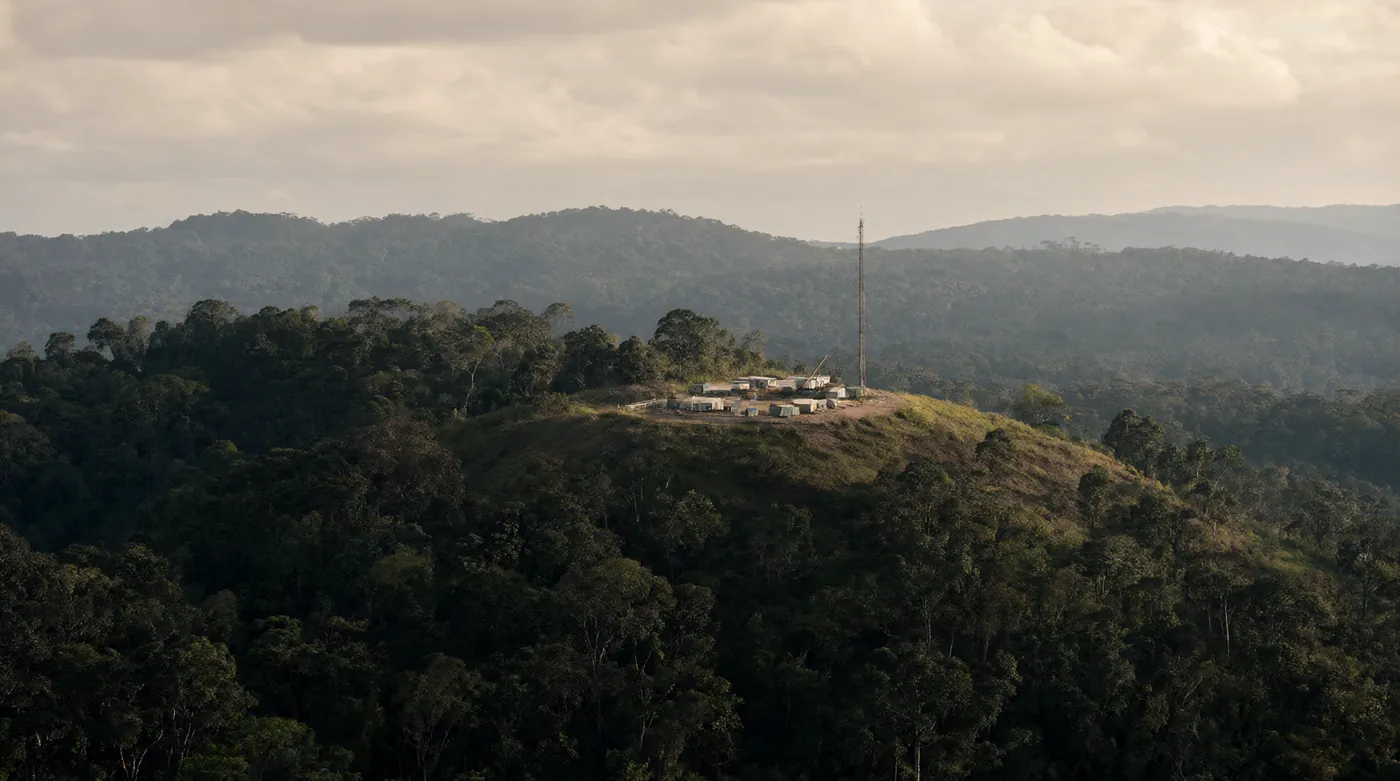
Much of the fighting takes place in hills covered by thick vegetation, where units are easy to lose and hard to observe. Ground that protects a squad from fire also hides that squad from you, so the cover that keeps a unit alive is often the reason you cannot picture where it is.
Ridges, river lines and clearings become the landmarks that reports are built around. A commander who learns to hold the shape of the terrain in mind, and to match it against the coordinates being read out, can reconstruct a battle that is happening entirely out of sight.
Helicopters and air mobility
Helicopters turn the map into something you can cross quickly, but they also raise the stakes. A lift moves a unit far in a short time, which is powerful when you need to reinforce a threatened position and dangerous when the landing zone turns out to be hotter than the reports suggested.
Evacuation flights add a second kind of pressure. Wounded troops and civilians have to be pulled out, and a commander has to decide whether to spend a precious lift on rescue while the wider fight continues to develop elsewhere on the map.
The human cost and the moral weight
The campaign does not pretend that war is a clean puzzle. Missions put civilians in the battle space, and the firepower you can call down does not distinguish between a hostile position and a village next to it. The game asks you to live with the difference between an order that works and an order that is right.
Voice acting does a lot of this work. When a squad reports casualties in a shaken voice, the loss is not a number on a screen. It is a person you sent somewhere, and the design makes sure you feel the connection between your decision and their situation.
Politics and pressure from above
Not every constraint in the game comes from the enemy. Higher headquarters sends instructions, sets objectives and expects results, sometimes in ways that conflict with what you can see on the ground. Shady operations and political pressure push the narrative beyond a simple contest of firepower.
This is where the setting becomes a source of tension rather than background. You are rarely free simply to do the optimal thing. You are a commander inside a system, and part of the skill is working out how far you can bend the orders you are given without breaking them.
What the setting asks of the player
Because the conflict is morally complicated and the information is thin, the game asks you to be careful rather than merely fast. It rewards commanders who think about consequences, who question a report before acting on it, and who remember that the people behind the radio traffic are the ones who pay for a bad decision.
A player who treats the setting as a coat of paint will miss most of what the game is doing. A player who lets the era shape their instincts, who expects ambiguity and weighs it, will find the campaign far more coherent.
Elements of the setting and their effect on play
The period supplies a small set of features that recur throughout the campaign. Knowing them in advance helps you read a mission brief and anticipate the kind of pressure it will apply.
- Dense jungle cover that hides both friendly and enemy units.
- Air mobility that is fast, useful and vulnerable to a bad landing zone.
- Indirect fire that is powerful but difficult to place precisely.
- Civilians in the battle space whose presence changes the value of a target.
- Political objectives that sometimes point away from the obvious military choice.
- A steady flow of radio traffic as the only reliable source of information.
These features are not scattered at random; they reinforce one another, which is why the setting feels integral rather than chosen for atmosphere alone.
Setting features and what they demand
| Feature | What it changes | What it demands |
|---|---|---|
| Jungle terrain | Visibility and movement speed | Careful reading of coordinates |
| Helicopter lift | How fast you can move a unit | Judging the landing zone |
| Indirect fire | The reach of your firepower | Patience and clear targets |
| Civilians nearby | The cost of a strike | Restraint under pressure |
| Higher orders | What you are allowed to do | Balancing duty and judgement |
The Vietnam War setting is the engine behind the game's tension. It hides the battlefield, restricts what you can do, and fills every decision with consequences that reach past the edge of the map. Played with that in mind, Radio Commander is less a contest of weapons than a study of what it means to command when you can never be entirely sure of anything.